
A step-by-step guide to measuring your covers, choosing the right foam, adding Dacron, and sliding new foam in yourself.


Yes, you can replace the foam in most couch cushions yourself. Unzip the cover, measure the cover seam to seam (not the old foam), order new foam cut to that size in the grade you want, wrap it in Dacron batting if the original had it, and slide it back into the cover.
Couch cushions almost never wear out all at once. The fabric usually still looks fine when the foam inside has already gone soft, flat, or lopsided, and that's the part you feel every time you sit down. The good news is that the foam is also the easiest part to replace. If the frame is solid and the covers are in decent shape, new foam can make an old couch feel close to new again.
At FoamOrder we cut and build cushions to order every day, and most of the questions we get about refoaming come down to the same five steps. This guide walks through each one, from checking your covers to easing the new foam into place.
Not every tired cushion needs new foam. Seat cushions are usually solid foam, while many back cushions are filled with loose polyester fiber. Each one has a different fix, so it's worth a quick look inside before you order anything.
If the foam and the fabric are both worn out, you can order custom replacement couch cushions with new foam and new covers together.
Turn each cushion over and look along the back edge. If you find a zipper or a Velcro closure, you're set: the cover comes off, and you can replace the foam inside it yourself. Press down on the seat while you're there. If your hand sinks easily to the frame, or the cushion stays dented after you stand up, the foam has lost its support.

Some couches have back cushions sewn to the frame along one edge, often with a zipper hidden at the back or underneath. Those can usually still be refoamed: open the zipper and work the old foam out gently so you don't strain the seams that hold the cushion to the frame.
Fully upholstered cushions, where the fabric is stapled or tacked directly to the frame, are a different job. A local upholsterer can open them up and install new foam, and we can cut that foam to their measurements. Another option is to order new custom-sewn covers along with the foam, so the cushions become removable from then on.
Accurate measurements are what make new foam fit. Unzip the cover, take the old foam out, and lay the cover flat on a hard surface. Measure the width, the depth, and the thickness seam to seam, or between the piping if your cover has it.
Measure the cover rather than the old foam. Foam compresses and shrinks as it ages, so an old cushion almost always measures smaller than it was meant to be. If you order to the old foam's size, the new cushion will look loose in the cover. Our full guide on how to measure your cushions covers T-cushions, feather-filled cushions, and other special cases.
Video: How to measure a square cushion
Once you have the cover size, add a small allowance so the new foam fills the cover snugly:
Add ½″ to your seam-to-seam measurements.
Add ¼″ to your measurements.
Order the foam at the exact seam-to-seam size. The wrap fills out the rest.
Call us at (415) 503-9314 and we'll check your numbers.
The foam grade decides how long your cushions keep their shape. We offer three grades for sofa cushions, and the right one depends on how often the couch gets used and how long you want it to last.
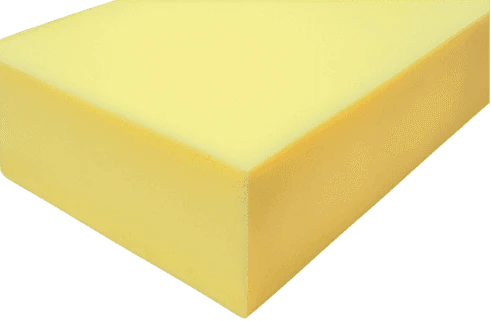
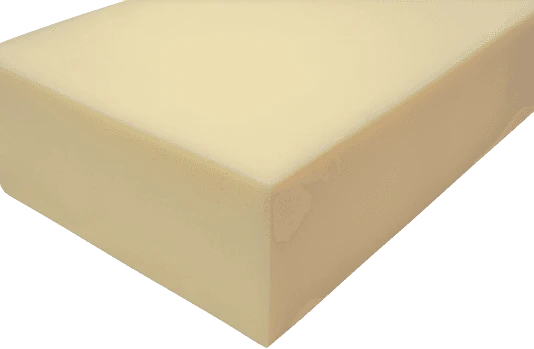
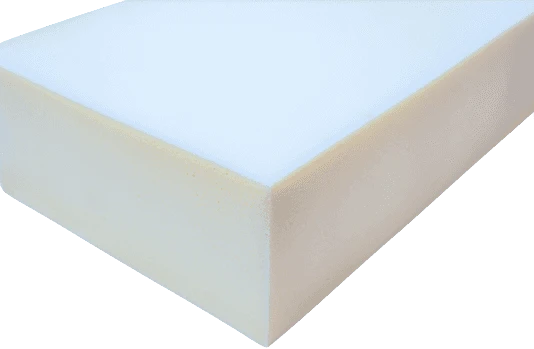
Density, measured in pounds per cubic foot, tells you how much foam is packed into each cushion, and it's the biggest factor in how long the foam lasts. Firmness, measured as ILD, tells you how the cushion feels when you sit on it. A dense foam can be soft and a light foam can be firm, so it helps to choose the grade for lifespan first and the firmness for comfort second. Our guide to the best foam for couch cushions goes deeper on firmness, and our overview of types of foam covers memory foam, latex, and more.

If you'd like to feel the difference before you order, request a sample:
Want a softer top over a supportive core, like memory foam over EverFlex? Order the two layers as separate pieces and add a gluing request in the order comments, or call us and we'll set it up for you.
Dacron is a soft polyester batting wrapped around the foam before it goes into the cover. It's what gives a cushion its fuller, slightly crowned look, softens the edges, and helps the foam fill the cover without wrinkles. If your old cushions had a layer of batting, plan to use it again or replace it with new Dacron wrap.

Covers the top, front, and bottom of the foam. It keeps the sides sleek and is the most common choice for sofa seats.
Crowns every edge for a plump look. Best when all sides of the cushion are visible, like a bench or ottoman.
Adds extra loft for thicker cushions. It's too much for thin ones.
With your new foam in hand, the swap itself takes a few minutes per cushion. Work on a clean, flat surface with plenty of room.
Turn the cover inside out and work the old foam free. For attached back cushions, pull the foam out gently to protect the seams that hold the cushion to the frame.
If the old Dacron is still clean and springy and you plan to reuse it, peel it off the old foam and set it aside.
Spray an even layer of foam adhesive on the new foam so the batting stays in place.
Wrap the foam snugly in batting, smoothing out any folds. Trim the excess with a serrated knife or fabric scissors.
Fold the foam slightly and guide it into the cover a little at a time, working it into the corners. Go slowly so you don't tear the fabric or the batting, then zip it closed.
A light coat of textile-grade silicone spray on the batting reduces friction and makes the foam slide into the cover more easily.
Sometimes the fabric gives out at the same time as the foam: thin spots on the seat, fading along the front edge, or zippers that no longer close. In that case, recovering the cushions makes more sense than reusing the old covers. We sew custom-sewn cushion covers to fit the new foam exactly, in fabrics you can browse and sample first.
If you'd rather sew your own, you can buy upholstery fabric by the yard and order the foam separately. Either way, measure the old covers first so the new ones match the shape of your couch.
Every piece is cut to your measurements.
If we make a mistake, we remake it and ship it at our cost.
Our indoor foams are certified.
Foam-only orders ship in about 3 to 14 days. Orders with sewn covers take about 4 to 6 weeks.
Read what customers say.
(415) 503-9314
Mon to Thu 7 AM to 5 PM PT
Fri 9 AM to 5 PM PT
No. A tape measure, your new foam, and spray foam adhesive cover most jobs. Add Dacron batting if your cushions had it, a serrated knife or fabric scissors to trim the batting, and textile-grade silicone spray if you want the foam to slide into the cover more easily.
If the frame is sturdy and the fabric is in good shape, new foam brings back the support and look of the cushions for much less than replacing the whole couch. If the frame is broken or the springs have failed, new foam alone won't fix it.
It depends on the size and thickness of each cushion, the foam grade, and whether you add Dacron batting. The quickest way to get an exact number is to choose your shape in our configurator and enter your measurements for an instant price.
For seats that get used every day, we recommend EverFlex, our high-density grade. EverFlex V44 is our default for standard 4 to 6 inch sofa seat cushions. DuraFlex suits regular use at a mid-range price, and EconoFlex works for guest rooms and occasional use.
Match the thickness of your cover, measured seam to seam along the side. Most sofa seat cushions are 4 to 6 inches thick. Add a small allowance for bare foam, or order the exact size if you're adding a Dacron wrap.
It depends on the grade. With regular use, EverFlex lasts 15 to 20 years, DuraFlex 5 to 10 years, and EconoFlex 2 to 4 years.
Yes. Fiber-filled back cushions can be refluffed or topped up with new polyester fiber. Foam seat cushions are better replaced with new foam, since compressed foam doesn't recover its shape.
If an attached cushion has a hidden zipper, open it and gently work the old foam out to protect the seams, then insert the new foam. If the fabric is stapled to the frame, a local upholsterer can install new foam for you, or you can order new custom-sewn covers so the cushions become removable.
Pick your cushion shape, enter your measurements, and choose your foam. We'll cut and build your cushions to order.

Mike leads the family of foam and upholstery brands behind FoamOrder.com and Upholster.com, which have served consumer and commercial customers for over 20 years. A graduate of Duke University and Harvard Business School, he works directly on helping customers get the exact foam and cushions they need. More about Mike →


