Topics

Foam ImprovementDIY & How ToFoam UtilityFoam Information
Foam Improvement

EVA Foam in Fire, Sun & Heat: Everything You Need to Know

By FoamOrder | May 22, 2024 | 7 Minute Read

Home / Foam Improvement / EVA Foam in Fire, Sun & Heat: Everything You Need to Know

Get monthly updates on

promotions, deals, and

new products.

Recommended For You

Foam Information

EVA Foam & Health: Human & Animal Safety Guide

5 Minute Read

May 21, 2024

Foam Information

EVA Foam and Moisture: Everything You Need to Know

6 Minute Read

May 23, 2024

Foam Information

The Environmental Footprint of EVA Foam: Pros and Cons

8 Minute Read

May 24, 2024

  • Clearance
  • Upholstery Supplies
  • Foam Learning Center


Replacement + Custom Cushions
Indoor CushionsOutdoor CushionsCushions By Shape
    Category image
    Foam
    Custom Cut FoamUpholstery SheetsClosed Cell FoamShredded FoamFoam SamplesClearance
      Category image
      Organic
      Organic Custom CushionsOrganic MattressesOrganic Mattress CoversOrganic Mattress ToppersOrganic Wool & Cotton Batting
        Category image
        Fabrics & Covers
        Custom Cushion CoversUpholstery Fabric By The YardMattress CoversFabric Yardage CalculatorClearance
          Category image
          Bedding Accessories
          Mattress ToppersOrganic Mattress Covers/PadsPillowsBedding Fabric LiningsClearance
            Category image
            Mattresses
            Foam MattressesMemory Foam MattressesOrganic Latex MattressesCustom (Build Your Own)Custom Boat MattressCustom RV Mattress
              Category image
              Neoprene
              Commercial
              Bar and RestaurantHospitality/Hotel/ResortGolf and Country ClubApartment ComplexChurch/SynagogueWholesale & Work RoomClosed Cell FoamFace Shield/PPE Foam
                Category image
                DIY
                Foam AdhesiveScrap & Shredded FoamFoam for CosplayPoker & Gaming TablesArts & Crafts FoamUpholstery StaplersAccessoriesBattingPillow StuffingPit FoamClearance
                  Category image

                  A Guide to EVA Foam’s Fire, Sun and Heat Resistance


                  EVA foam, a material found in industries that include footwear, packaging, automotive and a plethora of others, stands as a testament to human innovation. Beneath its seemingly simple foam exterior, EVA foam is actually quite complex and reacts in unique ways to different environmental stressors such as fire, sun and heat. How does EVA foam react to different environmental stressors? What happens? How can you stay safe if EVA foam is exposed to these elements?


                  EVA foam‘s lightweight, resilient and cost-effective nature has made it a very popular material for a diverse lineup of uses. As popular as it is, it’s important that we understand how it functions when exposed to various stressors. In this guide, we’ll discuss EVA foam‘s response to fire, sun exposure and heat, shedding light on its strengths, vulnerabilities and practical implications across applications.

                  Understanding EVA Foam’s Composition and Structure


                  At its core, EVA foam is a product of precise engineering, made from a blend of ethylene and vinyl acetate copolymer. This combination of ingredients gives rise to a closed-cell foam structure that’s characterized by millions of interconnected bubbles. It is this intricate arrangement that gives EVA foam its desirable attributes: flexibility, buoyancy and shock absorption. Sure, it‘s naturally resistant to water and moisture, but throw it in the ring with fire, UV rays, or heat, and things get a little more complicated There are rules to follow, from "handle with care" to "run for the hills!" Let’s explore each of these stressors’ impacts on EVA foam.

                  Fire can be a safety concern for any material, and EVA foam is definitely no exception. While not naturally fire-resistant, EVA foam’s reaction to flames depends on various factors, such as its density, thickness and the presence of flame retardants. It usually takes some serious heat to get it going. But here‘s the catch – once it‘s on fire, it‘s not messing around. Once ignited, it can stay lit, emitting smoke and potentially toxic gases like carbon monoxide and hydrogen cyanide. If EVA foam is ignited, its flames can also spread to other surfaces and objects. All of this is to say that EVA foam won’t catch on fire as easily as other materials, but once it does catch fire, it can become a real hazard.


                  When EVA foam is ignited or heated to high temperatures, it releases fumes that are harmful to breathe in. This is due to the chemicals found in EVA foam, which makes it important not to expose EVA foam to fire. To double down on its flame resistance, manufacturers often add flame retardant additives into EVA foam. Better safe than sorry, right? These additives act as a barrier against ignition, slowing the spread of flames and mitigating the release of harmful byproducts.

                  Sun Exposure: The Silent Deteriorator


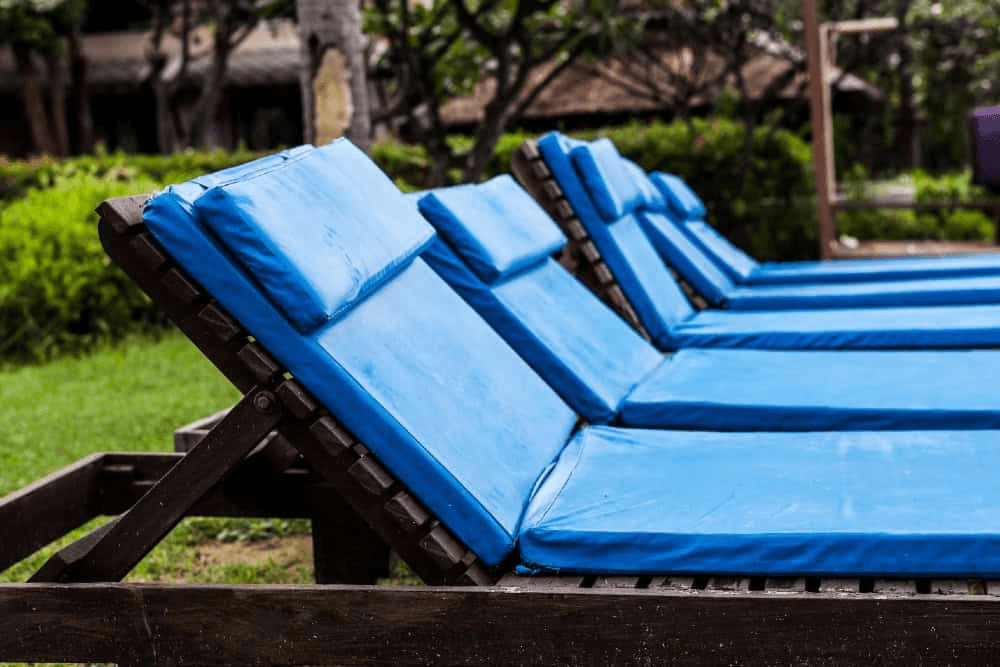
                  Despite EVA foam’s resilient nature, prolonged exposure to sunlight and ultraviolet (UV) radiation can threaten its longevity and structural integrity. While EVA foam has a natural level of UV resistance that makes it great for outdoor furniture and objects, it will break down over time if overexposed. EVA foam is vulnerable to UV-induced degradation in more ways than one, and leaving it in the sunlight can result in discoloration and surface degradation. Too much UV exposure will cause EVA foam to weaken and lose support, becoming unusable. The vinyl acetate within EVA foam is particularly susceptible to UV-induced deterioration.


                  Protecting EVA foam against UV exposure requires thinking ahead. Using UV stabilizers or applying protective coatings can help shield against UV radiation, prolonging the EVA foam’s lifespan and preserving its appeal. If you plan to use EVA foam for outdoor applications, it may need to be replaced after several years.

                  Heat Resistance: The Challenges of Thermal Stress


                  EVA foam‘s fantastic heat resistance makes it the go-to choice in situations where temperature resistance is crucial. However, like UV exposure, prolonged exposure to high temperatures can lead to it breaking down and becoming unusable. While EVA foam can withstand moderate temperatures well, it softens and deforms when exposed to heat beyond its specific temperature range. The softening temperature varies depending on how the foam is made, but it typically ranges from 70°C to 90°C (158°F to 194°F).


                  For casual use, most people will not need to worry about EVA foam’s heat tolerance. Like any material, it will break down naturally over time with exposure to heat and sunlight, but the natural resistances of EVA foam make it an exceptional choice for most activities. EVA foam‘s heat resistance also makes it a great choice for heat insulation applications like footwear insoles and industrial padding. In environments with elevated temperatures, specialized heat-resistant versions of EVA foam can be used to ensure optimal performance and safety. Cool, huh?

                  EVA Foam’s Applications Across Industries


                  The versatility of EVA foam means that it can be used in a wide range of different environments – finding its way into all sorts of surprising places.


                  1. Footwear Industry: EVA foam‘s lightweight and shock-absorbing properties make it a top pick for footwear manufacturers. It provides comfort and support for athletes and everyday consumers alike.
                  2. Packaging Solutions: EVA foam‘s cushioning capabilities make it indispensable in packaging applications, protecting delicate items during shipping and handling. Due to its poor conductivity, it is also naturally anti-static and anti-electricity.
                  3. Cosplay and Arts: The malleability of EVA foam allows artisans and cosplayers to bring characters and costumes to life, crafting epic outfits, props and accessories with ease.

                  4. Automotive Sector: EVA foam‘s thermal insulation properties are frequently used in automotive interiors, providing comfort and noise reduction for passengers while also giving passengers an extra layer of protection if there is an accident.


                  5. Medical Sector: In the medical field, EVA foam often shows up in orthopedic braces, prosthetic padding and wheelchair cushions. Its cushioning properties help alleviate pressure points and provide comfort for patients, while its lightweight nature means ease of use and portability.


                  6. Electronics Industry: EVA foam‘s shock-absorbing and anti-static properties make it an excellent choice for keeping delicate electronic components safe and sound during shipping and handling. It is commonly used as packaging foam for electronics, guaranteeing that products arrive at their destination intact and undamaged.


                  7. Sports and Recreation: From helmets to exercise mats to protective padding, it‘s everywhere you look in the sports world. And it‘s not just about durability – EVA foam‘s UV-resistance and heat resistance means it can handle the great outdoors like a champ. So whether you‘re hitting the slopes or mastering that yoga pose, know that EVA foam‘s there to cushion your every move.


                  8. Emerging Applications: As technology advances and new industries emerge, the potential applications of EVA foam continue to expand. From renewable energy solutions to aerospace innovations, EVA foam is poised to play a crucial role in shaping the future of various industries.

                  The Importance of EVA Foam Safety


                  EVA foam is undoubtedly a revolutionary material that is being used in a wide range of industries, some of which you may be aware of and some you’re just now learning about! However, to know why EVA foam is so commonly used, we need to understand how safe it is and how it reacts to stress. By discussing EVA foam‘s response to fire, sun, and heat, people can confidently choose how to use their EVA foam and know what not to expose it to. With the help of flame retardants, UV stabilizers or heat-resistant formulations, the journey toward making the most of the full potential of EVA foam begins with being knowledgeable. As we continue to use EVA foam, knowing just what this material is capable of will remain important for making the most of its benefits.

                  Products

                  Replacement + Custom CushionsFoamOrganicFabrics & CoversBedding AccessoriesMattresses
                  NeopreneCommercialDIYClearanceUpholstery Supplies

                  Resources

                  Order StatusContact UsWarrantyShipping InfoReturn PolicyPrivacy PolicyThe Foam Store of MarinDesigner/Trade Program
                  Foam Learning CenterWholesaleAbout FoamOrderProduct Certifications & Safety Data SheetsFoam and Your HealthCustomer ReviewsFoam Glossary

                  © 2026 FoamOrder

                  • Pinterest
                  • Facebook
                  • Instagram
                  • YouTube

                  © 2026 FoamOrder

                  © 2026 FoamOrder